Recent Product Announcements
Explore our latest product announcements, built to support marketing teams as they adopt agentic AI.

Just Launched: Category Intelligence
Unify external market signals and proprietary data in one AI-powered workspace to uncover insights and act faster.

Launch Smarter with Campaign Orchestrator
Launch AI-powered campaigns with a self-serve platform built for modern marketing teams.
Featured Content
Stay up to date with the latest insights, news, and thinking from Kana.




From Data, to Decision, to Action
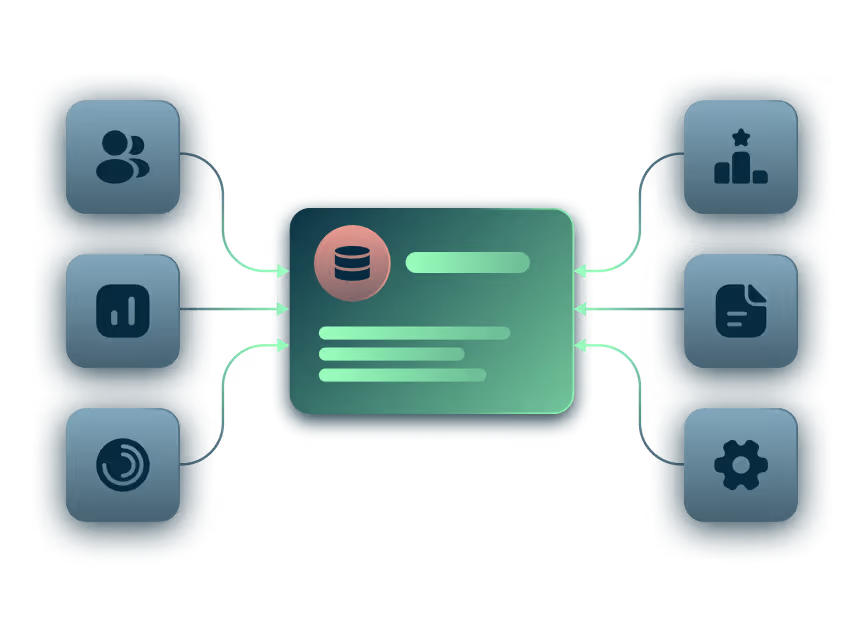
Kana builds agentic marketing applications that synthesize your data, produce insight and recommendations, and take action in real time.
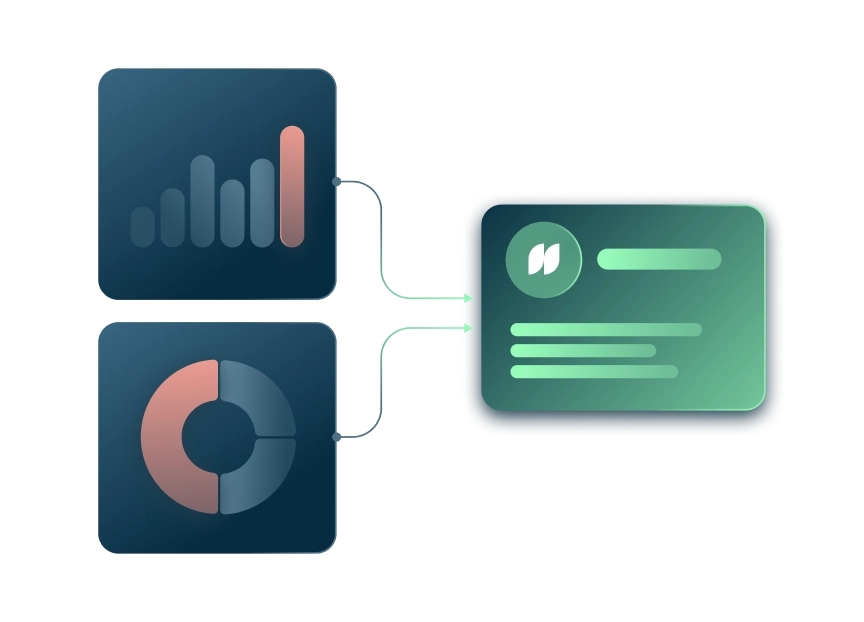
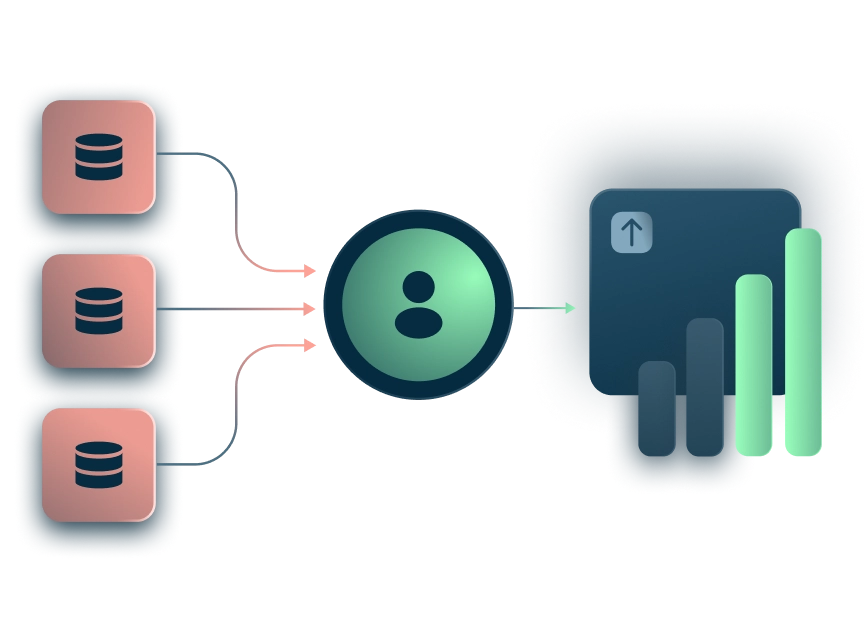
Connects data across your marketing ecosystem. Unifies fragmented data, eliminating silos and incomplete insights.
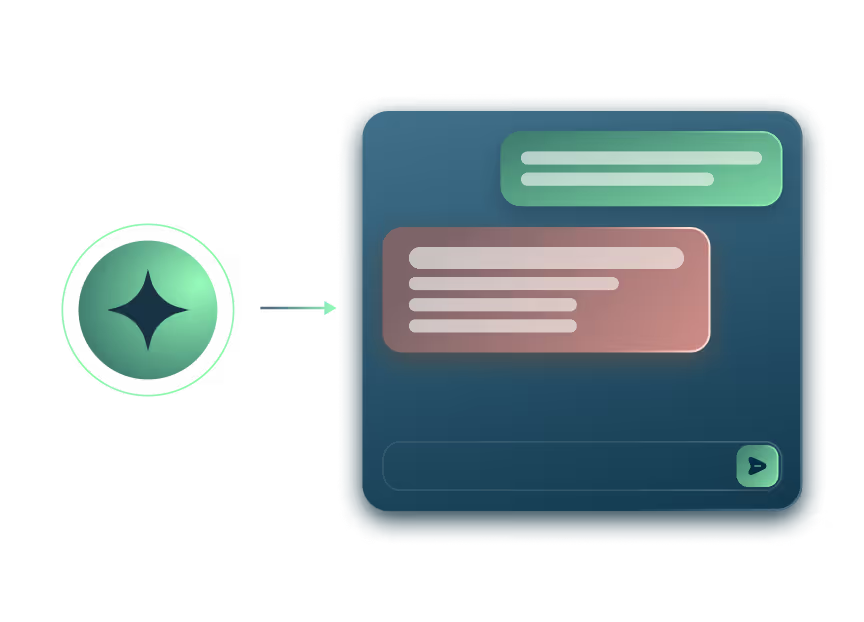
Identifies patterns, risks, and opportunities in real time. Detects behavioral signals early, so you can act before issues impact revenue.
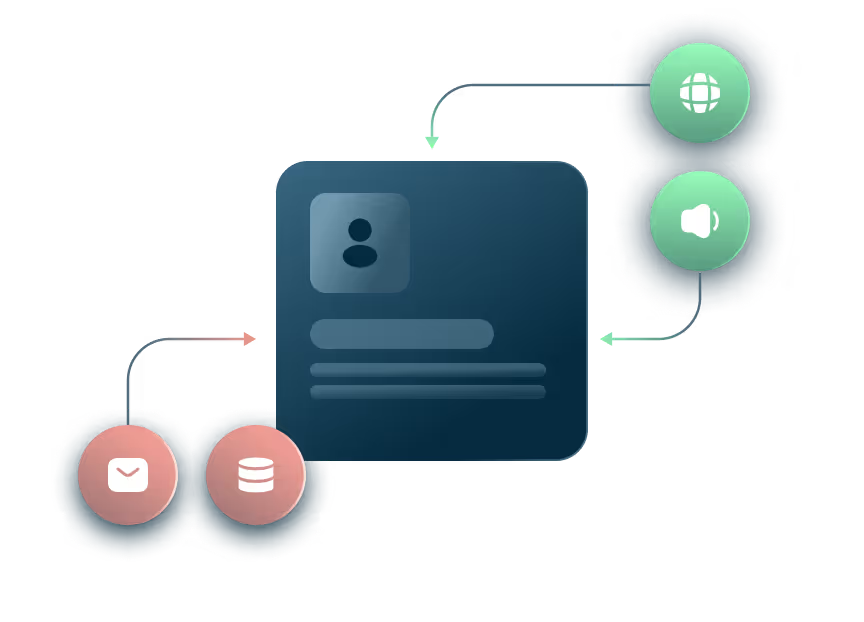
Recommends and executes next best actions. Replaces guesswork with precise, data-driven actions that improve performance.
Explore Our Solutions
Purpose-built applications designed to solve high-impact marketing challenges.















What We Mean by Agentification
Watch the video to learn more.


Integrates with Your Ecosystem



























FAQ
Frequently asked questions and answers about agentic AI, agentic marketing, Kana's agentic AI marketing platform, integrations, and enterprise workflows.
While Generative AI is reactive, creating content only when prompted, Agentic Marketing is proactive. Kana’s agentic platform doesn’t just write copy; it sets goals, plans multi-step workflows, and executes them across your tech stack.
Marketing has outgrown its tools. With the decline in the influence of third-party cookies, fragmented data, and the rise of "AI Answer Engines," manual human intervention can’t keep up. Agentic AI provides the "operating layer" needed to process millions of signals in real-time and act before an opportunity is lost.
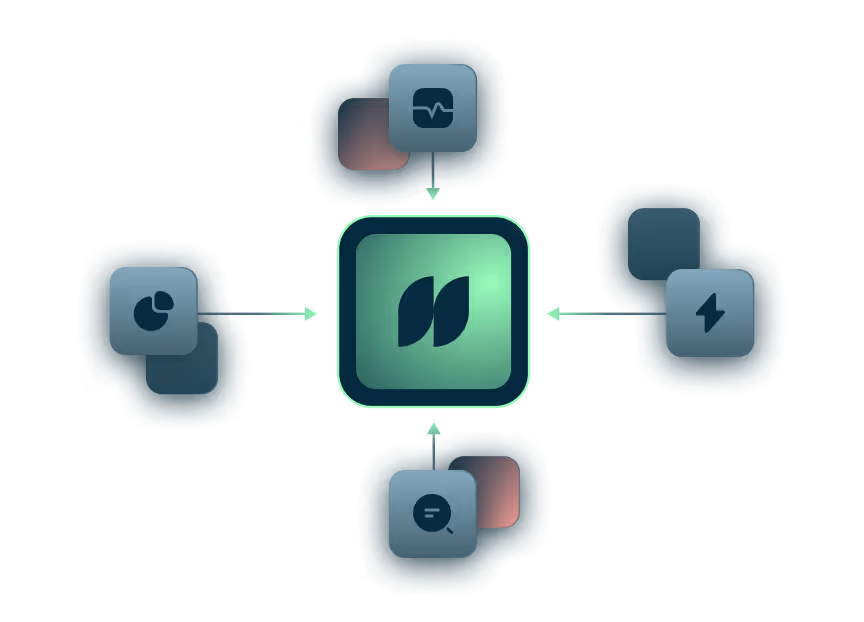
Marketing currently lives in silos (email tool, ad tool, CRM). Kana’s "Marketing Operating Layer" sits on top of all of them, using AI agents to coordinate data and actions across the entire stack so your marketing works as one unified system. The purpose of the Operating Layer is to consolidate disparate systems (emails, spreadsheets, software) into a single, cohesive view, increase efficiency by removing the manual, daily tasks that prevent staff from focusing on high-value work, and standardize by providing a consistent, repeatable way of working across an organization.