
The Full Agentic Toolkit for Marketers
Purpose-built applications that work together, or independently, to deliver measurable business outcomes. Each application is configured to your organization's institutional knowledge, proprietary data sources, and existing tech stack, so Kana works with what you've already built rather than replacing it.

Unify all of your proprietary brand, marketing, and campaign data. Convert raw signals into approved next actions and execution, fast.

Give marketing teams direct, self-serve control over audience creation, using plain-language inputs backed by Kana's unified data layer. No data team required.

An AI layer that unifies external market signals, competitive data, and category insights in one interface, giving teams decision-grade answers, not raw data.

Stop churn and maximize customer value with agentic personalization that monitors behavior, predicts next best actions, and executes individually tailored experiences at scale.

Validate campaign strategy, generate insights faster, and automate optimization. Agentic workflows replace manual monitoring with continuous, real-time campaign intelligence.

Unify customer data across every source, CRM, CDP, loyalty, e-commerce, and digital behavioral feeds, into a single, AI-ready layer that activates in real time.

What Agentic Marketing Solves for You
Every vertical carries its own data fragmentation, compliance constraints, and missed revenue signals. Kana's agentic platform is built to address each one.
CPG Brands Can't See Across Their Retail Ecosystem
CPG marketers are managing brand health, shopper marketing, and trade promotion across dozens of retailer partners, with no unified view and no AI layer to connect the signals.
Retailer-specific data arrives in different formats, on different cadences, through different portals, making cross-channel category performance invisible in aggregate.
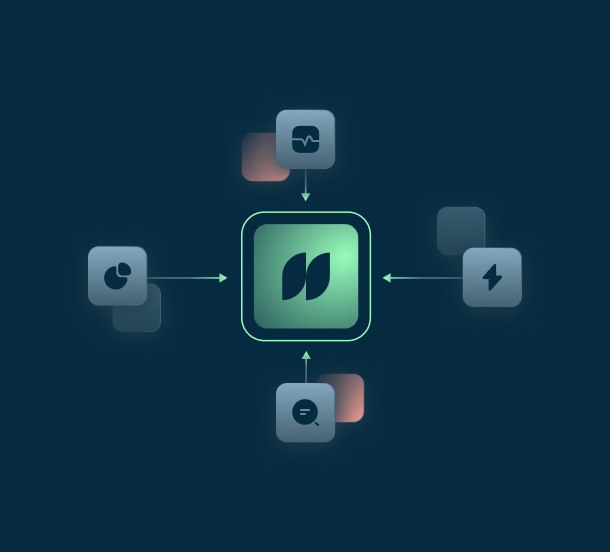

Brand tracking studies arrive quarterly. But brand sentiment, competitive share-of-voice, and search health shift weekly, faster than any static tracker can capture.

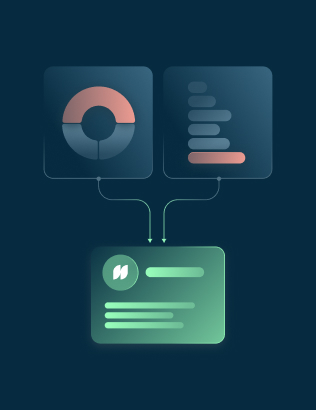
TPR and feature/display investments are evaluated in post-mortems, not during the promotional window, leaving millions in lift on the table.




Retail Marketers Are Flying Blind Across Channels
With loyalty data siloed in one platform, digital spend in another, and in-store signals buried in point-of-sale systems, retail marketers can't act fast enough to match the pace of modern commerce.
Loyalty platform data sits days behind campaign activation tools, making it impossible to suppress recent purchasers or reward high-LTV customers at the right moment.
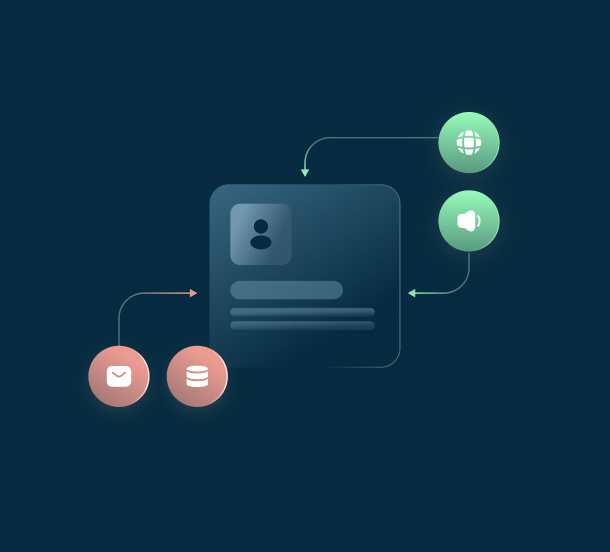
Promotional calendars are built weeks out, but inventory positions shift daily. Marketers have no automated loop between merchandising signals and campaign logic.
Digital investment decisions are made without visibility into how online campaigns actually drive foot traffic and in-store conversion.
Building even a basic segmented audience requires a ticket to the data team, a SQL query, and at least a week, by which time the moment has passed.
Travel Brands Are Losing Revenue to Reactive Marketing
Yield management systems optimize price in real time, but marketing systems still run on batch workflows. The result: pricing moves faster than offers, and loyalty members receive generic messages that ignore their real-time intent signals.
Yield and pricing signals never reach the marketing layer in time to adjust offers, suppress discounts on high-demand routes, or personalize urgency messaging.
High-value loyalty members receive the same promotional email as new subscribers, because the personalization layer has no access to real-time behavioral intent.

When a competitor drops rates on a key route or destination, the marketing team finds out from sales, hours or days too late to respond effectively.

Win-back and anniversary campaigns go out on fixed schedules regardless of a guest's next booking window, travel intent signals, or membership tier dynamics.
QSR Brands Can't Localize at the Speed of Real Life
With thousands of locations, micro-level demand variation, and app-driven loyalty as the primary growth lever, QSR marketers face a scale problem that generic campaign tools weren't built to solve.
National campaigns get applied uniformly even when individual markets have radically different traffic patterns, competitive sets, and menu preferences.
Push notifications go out based on time-of-day rules, not real signals, causing offers to drop when an item is out of stock or kitchen capacity is overwhelmed.
Every loyalty member gets the same buy-10-get-1 offer, regardless of visit frequency, order history, channel preference, or price sensitivity.
Breakfast, lunch, and dinner campaigns run on calendar schedules, unresponsive to weather, events, traffic, or competitive promotions that shift customer demand in real time.
Subscription Brands Are Losing Members They Could Have Kept
Streaming services, digital publications, and subscription commerce businesses share a common enemy: churn. The data to predict it exists, the problem is connecting it to real-time marketing action.
Data science teams build churn models that score members monthly. By the time the scores reach a campaign, the at-risk subscriber has already cancelled.
Recommendation engines operate on historical preferences, missing recency signals that most strongly predict what a subscriber wants to watch or read next.
Re-engagement sequences typically launch 30–60 days post-churn, after subscriber intent to return has collapsed. The best win-back window is often within the first 7 days.
Testing new bundle configurations, promotional pricing, or plan upgrade offers requires significant cross-functional effort, creating months-long feedback loops.
Financial Services Marketers Can't Act on the Signals They Already Have
Banks, insurers, and wealth managers are sitting on extraordinarily rich customer data, but compliance constraints, legacy systems, and siloed channels prevent that data from ever powering real-time, relevant marketing.
A customer who just got married, changed employers, or made a large transfer should trigger a tailored offer within hours, not appear on a quarterly campaign list.
Every campaign variant, audience segment, and triggered message requires compliance sign-off, creating multi-week bottlenecks that kill the timeliness personalization requires.
Product cross-sell programs fire on simple behavioral rules rather than sophisticated models that predict propensity, timing, and channel preference simultaneously.
A customer's digital browsing behavior — researching a mortgage, exploring investment products — never reaches the branch associate before the next appointment.
Healthcare Marketers Are Underserving Members at Critical Moments
Health plans, hospital systems, and wellness brands have some of the most actionable member data available, but HIPAA constraints, fragmented systems, and batch communication workflows prevent them from using it effectively.
Annual wellness and preventive care campaigns reach all members equally, ignoring which individuals have open care gaps, overdue screenings, or elevated risk profiles.
Reminder sequences fire on fixed cadences regardless of a member's past no-show behavior, channel preference, or appointment type.
AEP and OEP seasons demand rapid, personalized communications to millions of members across dozens of plan options, but content and audience management are still largely manual.
Marketing teams often default to generic communications out of HIPAA caution, rather than building a compliant personalization infrastructure that balances privacy with relevance.