Agentic Marketing for CPG
Kana gives CPG teams daily category intelligence, a clear line from ad spend to campaign performance leadership can trust, and audiences that trace straight back to the brief — turning this week's market signals into next week's advantage.
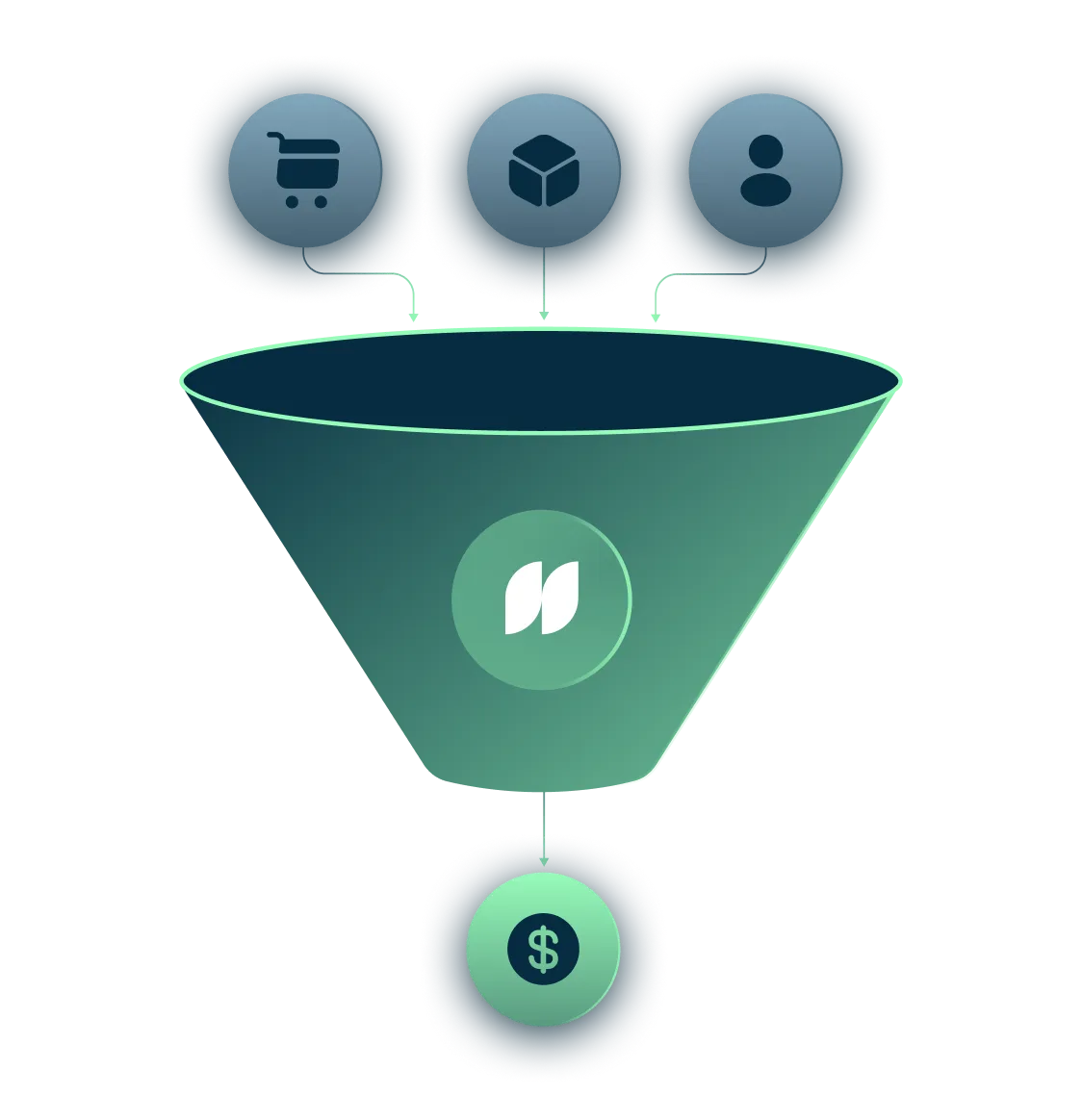

How Agentic Marketing Works for CPG Teams
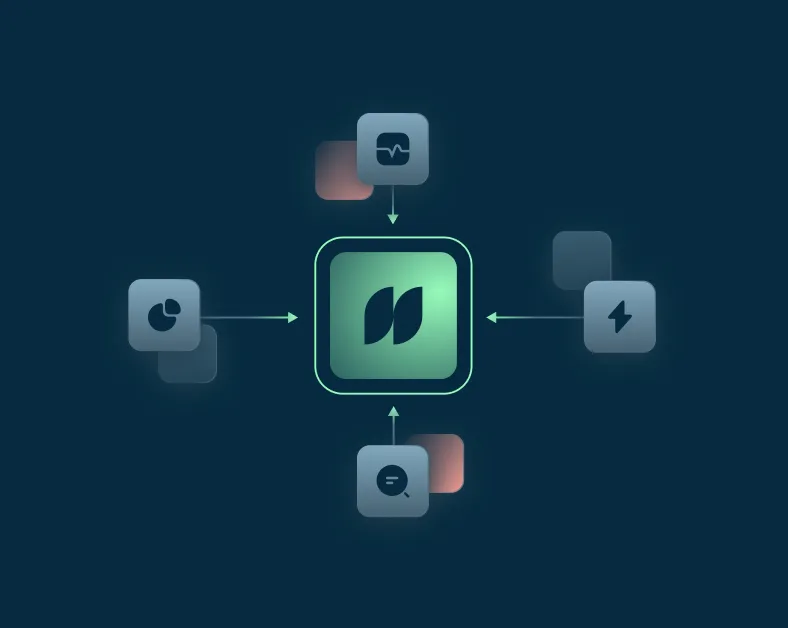
Cross-reference external signals (analyst reports, Grocery Dive, and Google Trends) automatically, so you catch leading indicators before they show up in next month's numbers.
Build precise audience segments from plain-language briefs, no SQL, no tickets. Keep every live segment traceable to the original brief, so targeting never drifts from what you asked for.
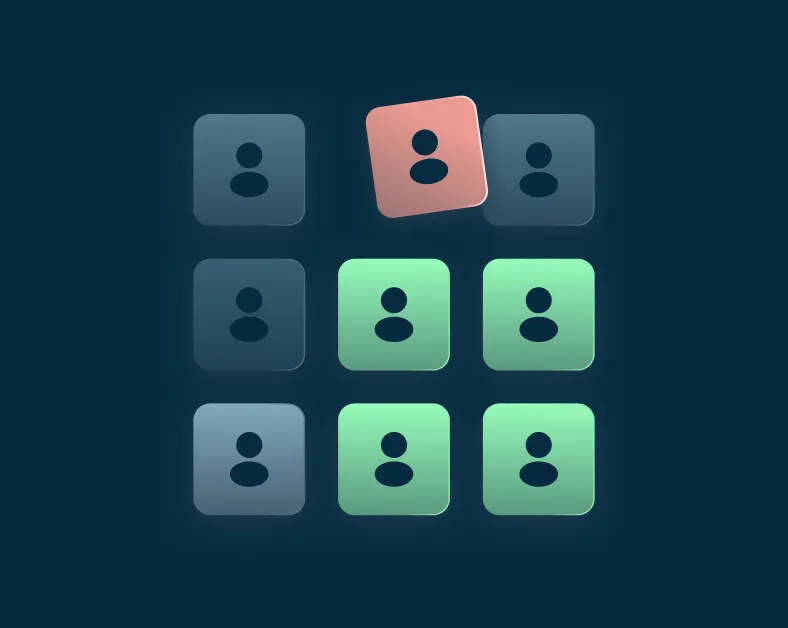
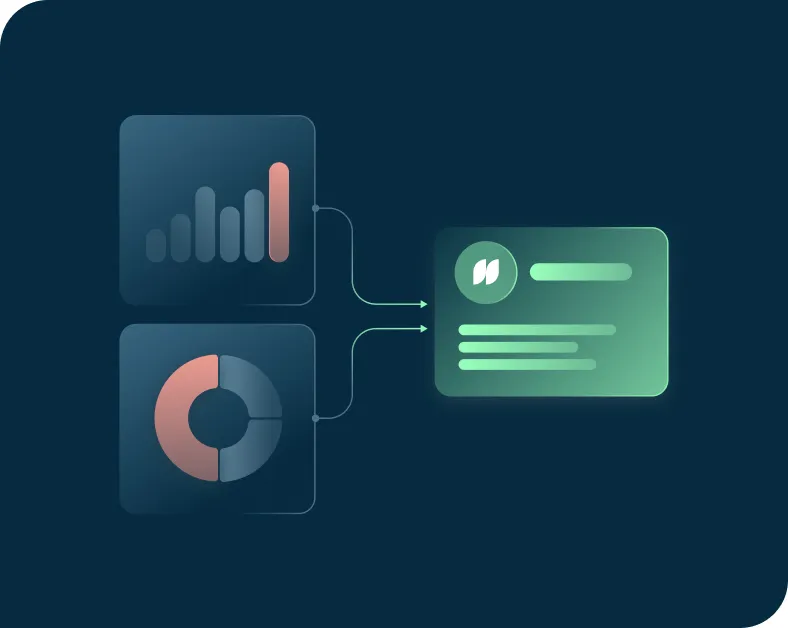
Connect every campaign dollar to a grounded, cited performance answer, not just digital proxies. Give commercial leadership a story backed by evidence, not a guess.
Kana connects to your stack without having to migrate data, or rip and replace any of your prior technology investments.

Unify your customer data without moving a single record
Kana sits on top of Salesforce, Marketo, and your data warehouse, working with the customer data you already have without migration, duplication, or new governance overhead.

Launch new markets on data your competitors haven't seen
Audience Builder: when a new SKU or new geography means you have no first-party seed data, Kana builds high-fidelity synthetic audiences from public signals, so you can target on day one instead of waiting for first-party data to accumulate.

Know which channels have hit diminishing returns before you set your next budget
Omni-Channel Media Planner: saturation curves built from your own historical campaign data, not industry benchmarks. Scenario plan at -20%, baseline, and +20% budget so you walk into the planning cycle with a model, not an opinion.
Read our Latest Content for CPGs
Agentic Marketing Applications That Power Your Customer Lifecycle
Audience Builder lets campaign teams build, validate, and activate audience segments in plain language, no SQL, no data engineering queue.
Empower your team to quickly connect marketing performance data to real outcomes with AI-powered analysis and actionable recommendations for faster, smarter decisions.
Category Intelligence researches category questions across hundreds of curated public sources and answers in seconds, citations included.
The Omni-Channel Media Planner models saturation curves against your own campaign data and turns a brief straight into platform-ready targeting for Meta, YouTube, The Trade Desk, and DV360.
How Our Agentic Solutions Augment Your Team
Tailored capabilities designed to address role-specific challenges and achieve your business goals.
- Syndicated category drops arrive weeks late, forcing category managers to prepare client reports manually with outdated information.
- POS feeds are not cross-referenced against external category signals, leaving stock anomalies undetected until key buyer meetings.
- Compiling spreadsheet reports consumes 20+ hours weekly, leaving category teams with no time for strategic shelf planning.

Spend less time compiling reports and more time acting on category insights.
Spot category shifts earlier by connecting POS data with external market signals.
Walk into buyer meetings with sourced answers and a clearer view of what changed.
- Only $439 of every $1,000 spent programmatically reaches consumers due to intermediate fees, bid shading, and lack of saturation scoring.
- Audience definitions drift between strategic briefs and active platform campaigns, altering targeting parameters.
- Ad spends are allocated on static historical budgets, ignoring dynamic channel saturation thresholds and modeled marginal ROAS.
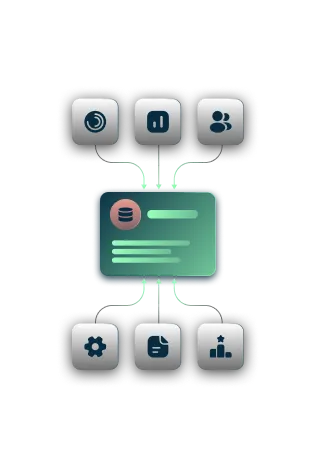
Spend less time reconciling channel data and more time improving media efficiency.
See which audiences, campaigns, and channels are actually driving performance.
Turn real-time media signals into faster budget shifts and smarter optimization decisions.
- Data engineering queues delay audience segment creation by weeks, blocking fast campaign activation windows.
- Activated segments mismatch campaign briefs, leading to ad-targeting errors and budget underperformance.
- There is no documented link between creative briefs and active platform segments, making post-campaign optimization impossible.
Spend less time managing disconnected tools and more time improving how marketing runs.
Spot workflow gaps, data issues, and bottlenecks before they slow the team down.
Turn operational signals into faster fixes, smoother processes, and more reliable execution.
- 84% of US retail sales still close in-store, leaving digital campaign conversions largely unattributed (US Census Bureau).
- Manual analytics assemblies take days or weeks, forcing teams to optimize campaigns after they have already ended.
- Marketing is treated as a cost center by commercial leadership due to a lack of direct correlation between spend and SKU velocity.
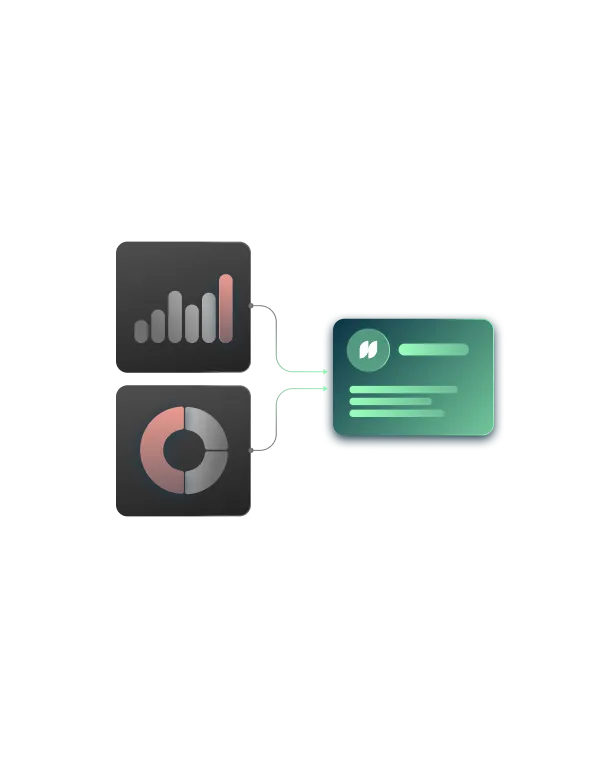
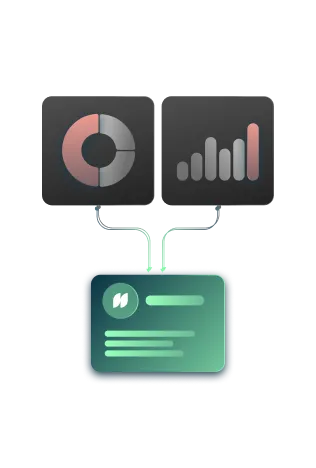
Spend less time reconciling reports and more time focusing on what’s driving growth.
Get a clearer view of performance across channels, audiences, and customer segments.
Turn complex data into faster strategic decisions on where to invest and what to change.
- Launching new SKUs without local customer data history sends launch-phase media costs sharply higher, with no benchmark to plan against.
- Low match rates across retail media networks reduce ad targeting precision, increasing relative CPM costs.
- Cookie deprecation is rapidly reducing the accuracy of traditional third-party audience data providers.
Spend less time unifying fragmented audience data and more time shaping smarter audience strategy.
Identify the segments, signals, and behaviors that matter most for growth.
Turn audience insights into faster decisions on targeting, activation, and investment.
More Featured Content
Stay up to date with the latest insights, news, and thinking from Kana.


FAQ
Frequently asked questions and answers about agentic AI, agentic marketing, Kana's agentic AI marketing platform, integrations, and enterprise workflows.
Via API. Kana connects to your retail media and ad platforms, pulling performance data into one unified view instead of a dozen separate dashboards. Kana's solutions team handles setup, typically in 2–4 weeks depending on how many platforms you're connecting.
No. Category Intelligence researches the external market, complementing your Nielsen or Circana subscription, not replacing it. Most teams keep their syndicated provider and use Kana to catch signals between drops.
Most CPG teams see value within 30 days. Onboarding starts with your top 3–5 data sources and Marketing Intelligence, then layers in Category Intelligence and Audience Builder as connections stabilize. Kana's team guides the rollout.